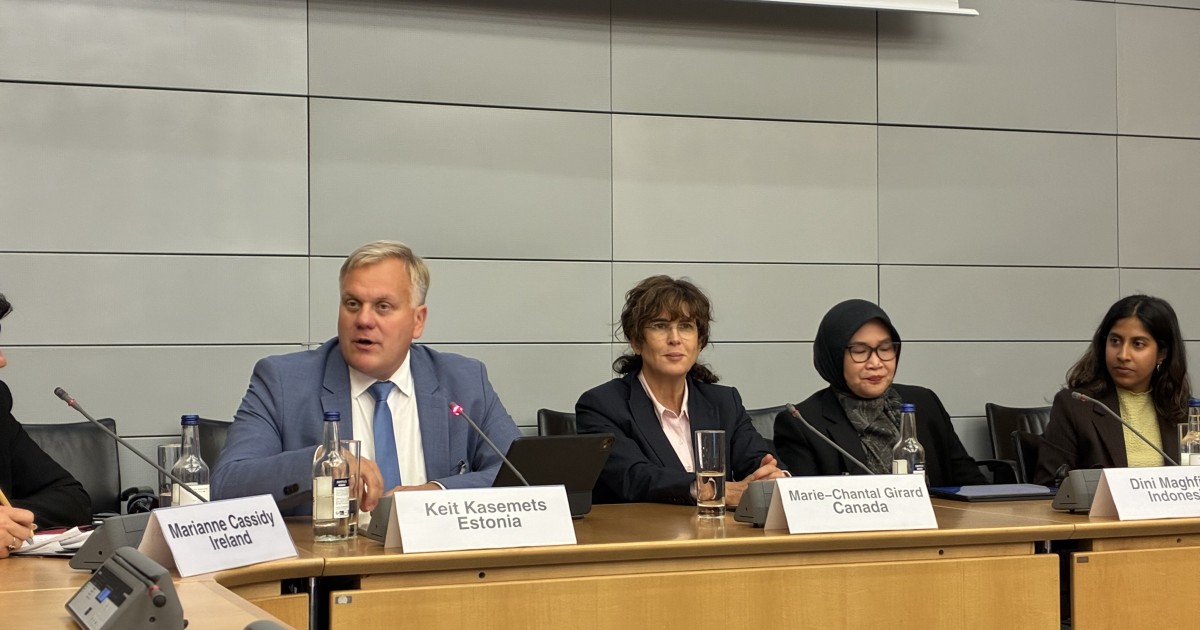

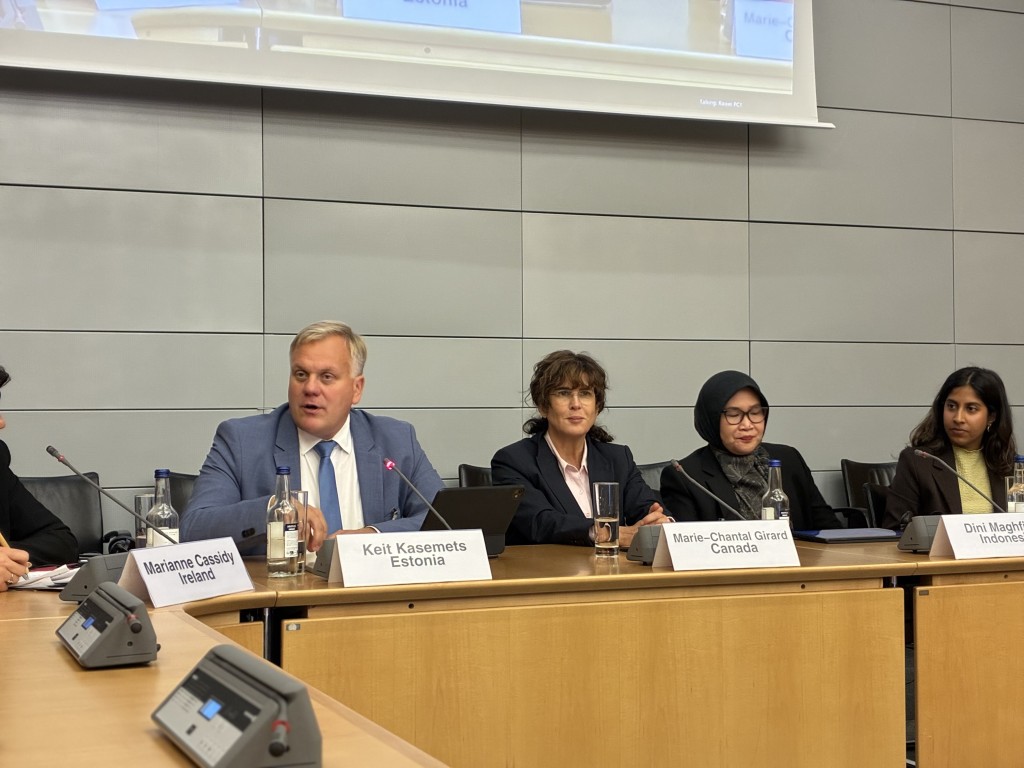
“Estonia is deliberately developing its capacity to cope with future changes. For a small country, international cooperation is particularly important, including cooperation with the OECD (Organisation for Economic Cooperation and Development), which makes it possible to learn from the experiences of other countries,” Kasemets said.
Kasemets highlighted cybersecurity and robust digital infrastructure as key for resilient and adaptable government. “Disruptions to Estonia’s digital services are rare. This is underpinned by shared digital infrastructure, secure data exchange and the principle that people are asked to provide the same information only once,” he explained.
Looking ahead, Kasemets also discussed the opportunities and risks associated with artificial intelligence (AI). “AI offers significant opportunities for government, but it also brings new risks. Our goal is to stay one step ahead of developments.” He highlighted a draft bill currently in preparation that would allow an AI agent to be assigned a digital identity, enabling it to act and carry out transactions on behalf of an individual.
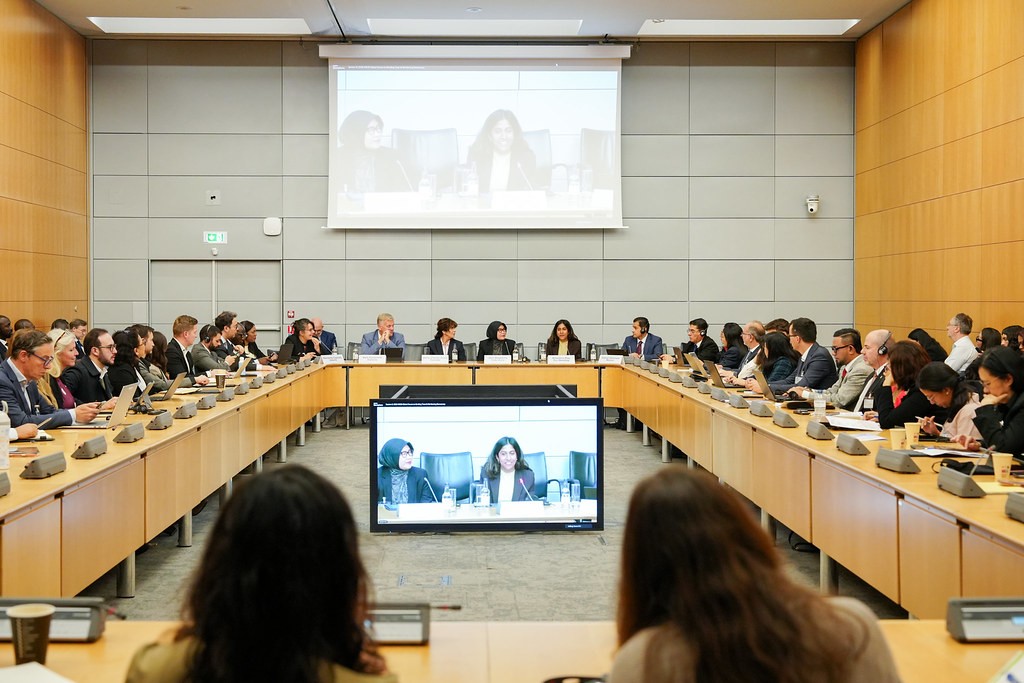
The discussion focused on the findings of the OECD’s latest report, Government Unstuck: The Next Frontier of Government Transformation, which concludes that many governments are struggling to keep pace with today’s rapidly changing world. One reason is that crises emerge faster than governments can prepare for them. At the same time, public expectations are rising faster than public services can adapt.
The report highlights Estonia’s achievements in several areas, including developing AI skills in the public service, reducing bureaucracy and advancing life-event services, such as services related to having a child.
During the conference, State Secretary Keit Kasemets also met with Anna-Kaisa Ikonen, Finland’s Minister of Local and Regional Government; Carla Morales Rojas, Costa Rica’s Minister of National Planning and Economic Policy; and Gonçalo Saraiva Matias, Portugal’s Minister for State Reform.