
""
2.9.6. Patient’s Advance Directive for End-of-Life Care
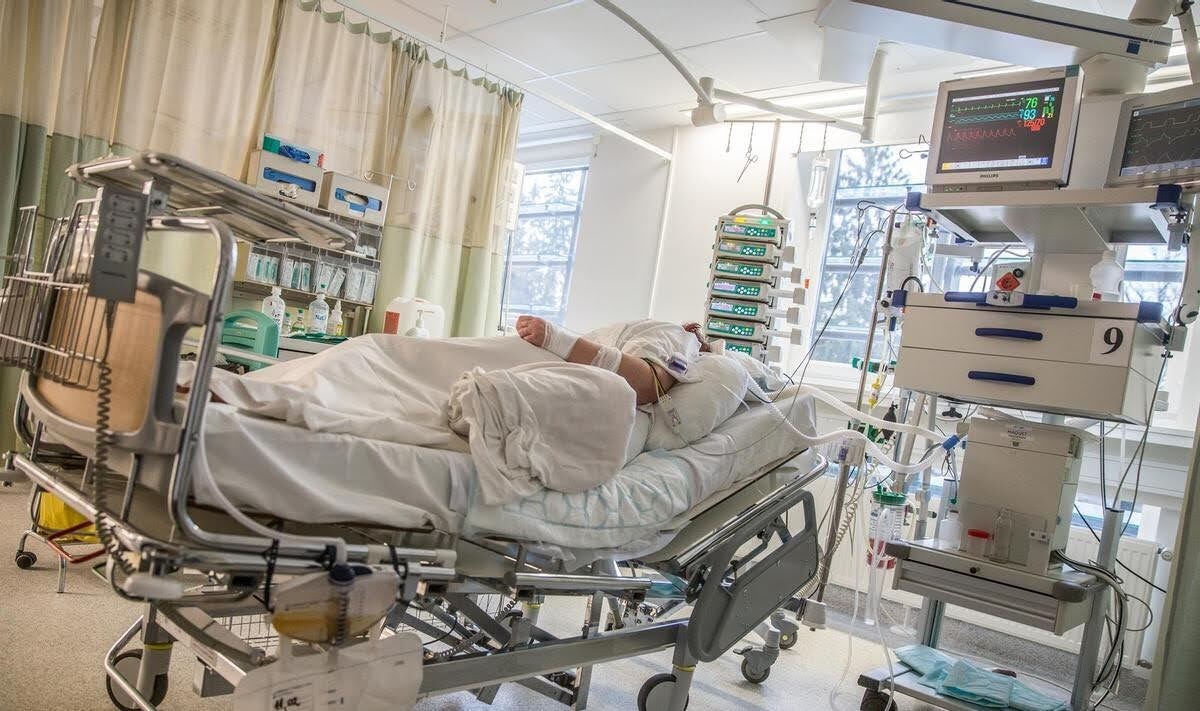
How can we ensure that people can approach the end of their lives with dignity, in accordance with their own beliefs and values?
Although the Estonian Law of Obligations Act requires a patient’s wishes to be established before treatment is provided, the autonomy of patients who have lost decision-making capacity is not currently protected to a sufficient extent in Estonia. As a result, people may receive treatment that they would clearly have refused while still capable of making decisions.
The problem has several dimensions. Families often postpone discussions about end-of-life wishes, even though such conversations would help relatives represent the preferences of a patient who can no longer make decisions. Many doctors lack the skills needed to talk about death, awareness of palliative care options is limited, and the resources available for providing palliative care are also very restricted.
In the Innovation Programme, we focused on developing the advance directive form for end-of-life care, as well as the processes for preparing and implementing it.
By the end of the programme, thanks to the extensive preparatory work carried out, the advance directive had risen unexpectedly high on the list of developments awaiting implementation in the next-generation health information system.
In February 2024, Minister of Social Affairs Riina Sikkut established a committee tasked with preparing proposals for the Government of the Republic on the organisation of palliative care, geriatrics and advance directives in Estonia.
The legal analysis conducted by the working group, the service processes developed jointly with stakeholders, the mapped counselling model and the draft guidelines have given the Ministry of Social Affairs the confidence to accelerate the development of the regulatory framework for advance directives alongside the palliative care framework—bringing the planned date forward by as much as two years, to 1 January 2026.
The project involved the Ministry of Social Affairs, the University of Tartu, the Office of the Chancellor of Justice, Tartu University Hospital, the Estonian Society of Family Doctors and the Estonian Patients’ Union.
The project mentors were Ave Habakuk and Kersten Kõrge.
Read more (in Estonian):
further reading
Meie ühiskond on elulõpu tahteavalduseks valmis | ERR
Patsiendi elulõpu tahteavaldus muudab kriisihetked kergemaks | Saarte Hääl
Valgus tunneli lõpus: vaata milline hakkab välja nägema patsiendi elulõpu tahteavaldus | Õhtuleht
Plaanitava elulõpu tahteavaldusega ei saa soovida eutaneerimist | Delfi
Project duration: 2022
The project was implemented as part of the Innovation Programme.
Last updated on 11.09.2025
Activities and projects in the field of innovation are funded under the European Union Cohesion Policy 2021–2027 measure.

Last updated: 23.02.2026

