
""
2.8.2. Reducing Speeding
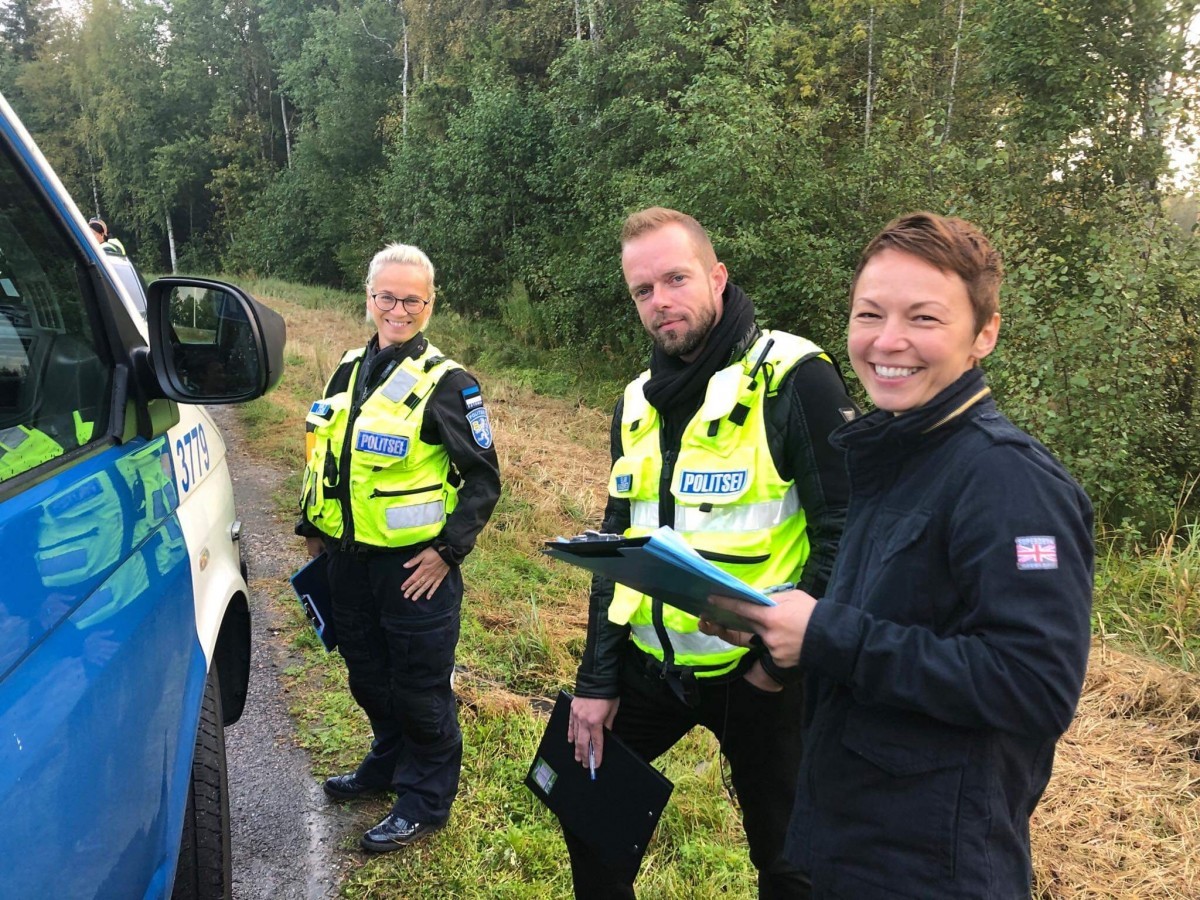
The number of road traffic accidents involving injuries has not decreased in Estonia over the past decade. Following interviews with members of the public, the project team from the Government Office, the Ministry of the Interior, the Police and Border Guard Board, and the Road Administration concluded that speeding is a widely accepted social norm. Fines are often treated like routine bills that simply need to be paid, without influencing drivers’ behaviour or attitudes. However, drivers clearly remembered their conversations with police officers and the time lost while being issued a fine at the roadside.
These insights led to trials of the “calming stop”, which explored whether the loss of time could influence driving behaviour and serve as an alternative to a financial penalty. The project also gave rise to the Trust Zone pilot in Viimsi and the idea of redesigning penalty notices to make them more effective in changing behaviour. The trials sparked public debate about speeding and the effectiveness of existing measures. They also encouraged the Police and Border Guard Board to test new, bold and user-centred approaches in its work, setting a positive example for the public sector.
The “calming stop” was featured in The Economist.: Estonia has a new way to stop speeding motorists and it was also selected for the Observatory of Public Sector Innovation’s collection of public sector innovation best practices.: Win a Minute, Lose an Hour: Time-Out Station for Speeding Drivers
Project duration: 2019
The project was implemented as part of the Innovation Programme.
Last updated on 30.09.2025
Activities and projects in the field of innovation are funded under the European Union Cohesion Policy 2021–2027 measure.

Last updated: 23.02.2026

